| Sr No | Name | Designation | Qualification | Photo |
|---|---|---|---|---|
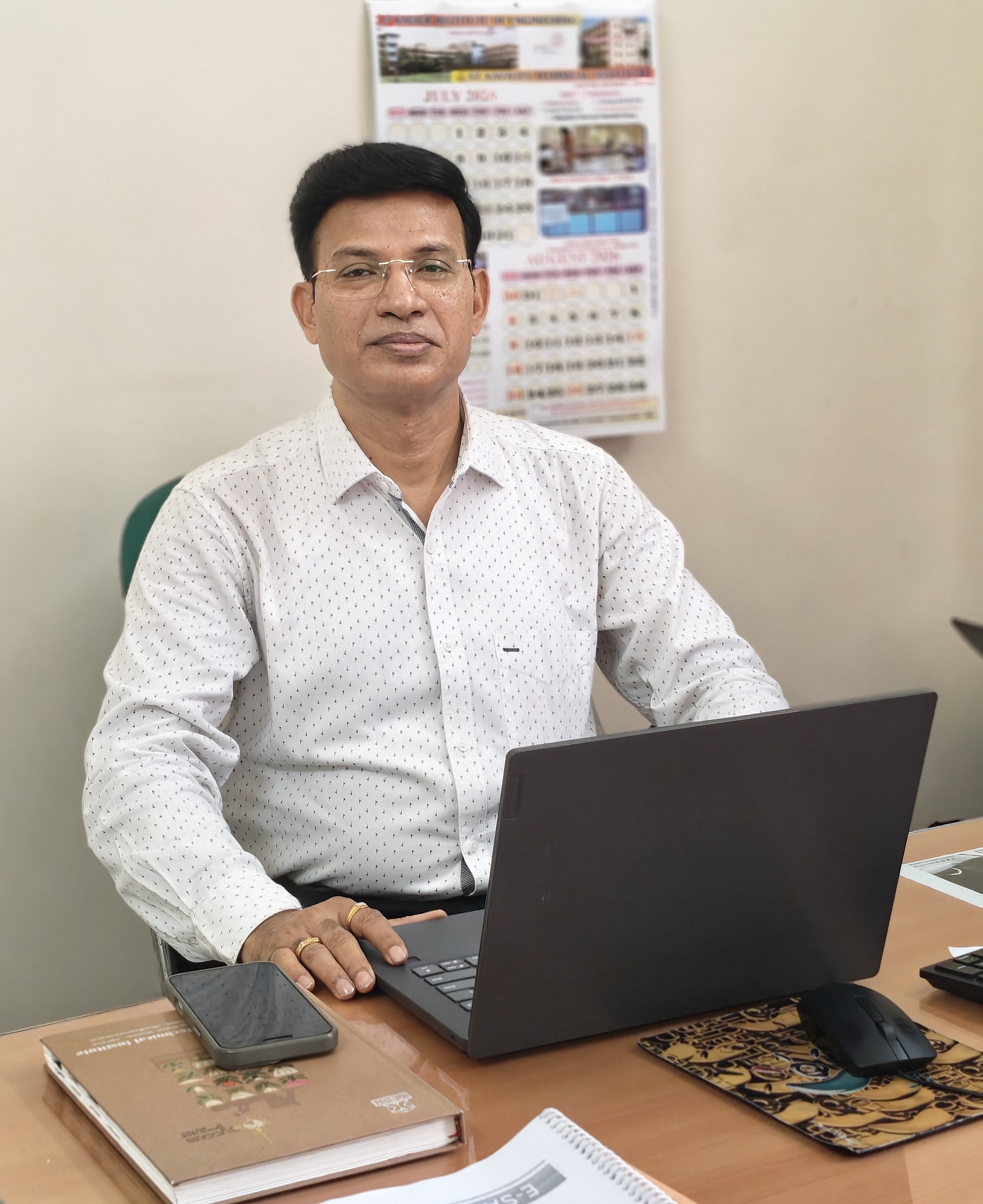
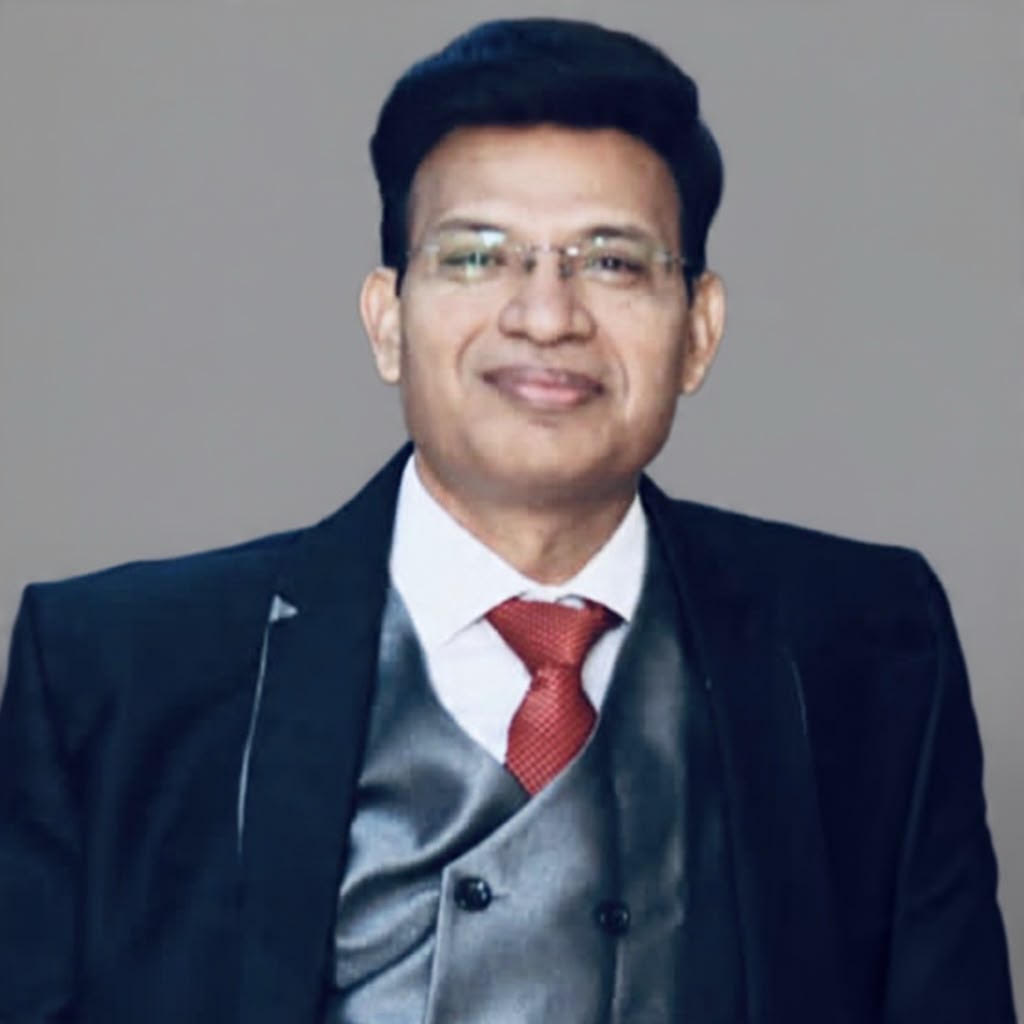
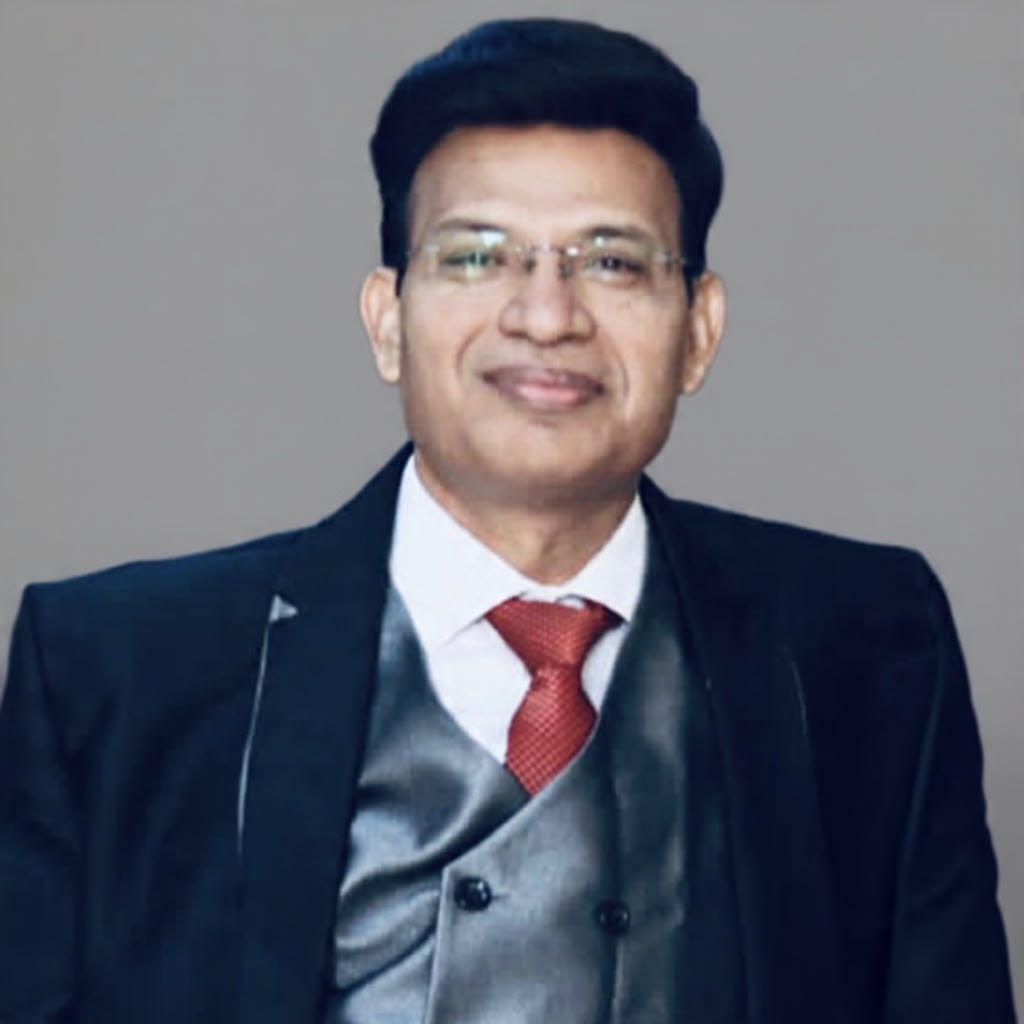
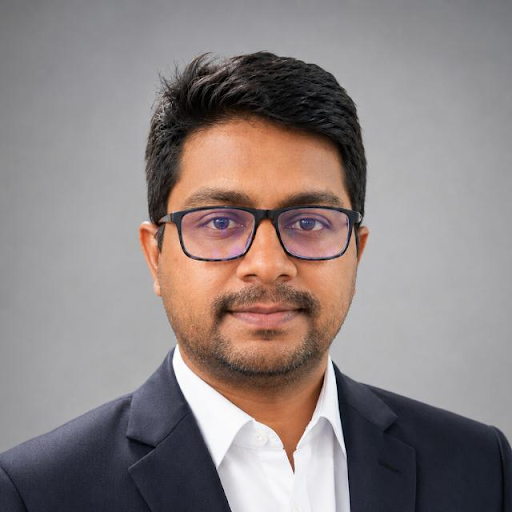
| 1 | Dr. Vijay R. Rathod vijay.r@xaviertech.ac.in |
Head, Department of Electronics & Telecommunication Engg. (HOD, DETE) | Ph.D. in Digital Image Processing and NDT (2012), IIT Roorkee · M.Tech. in Electronics & Telecommunication Engineering · B.E. in Electronics & Telecommunication Engineering |
 |
To become a center of excellence and to produce high quality, self-motivated creative and ethical diploma engineers and technologists, contributing effectively to universal engineering and contemporary education.
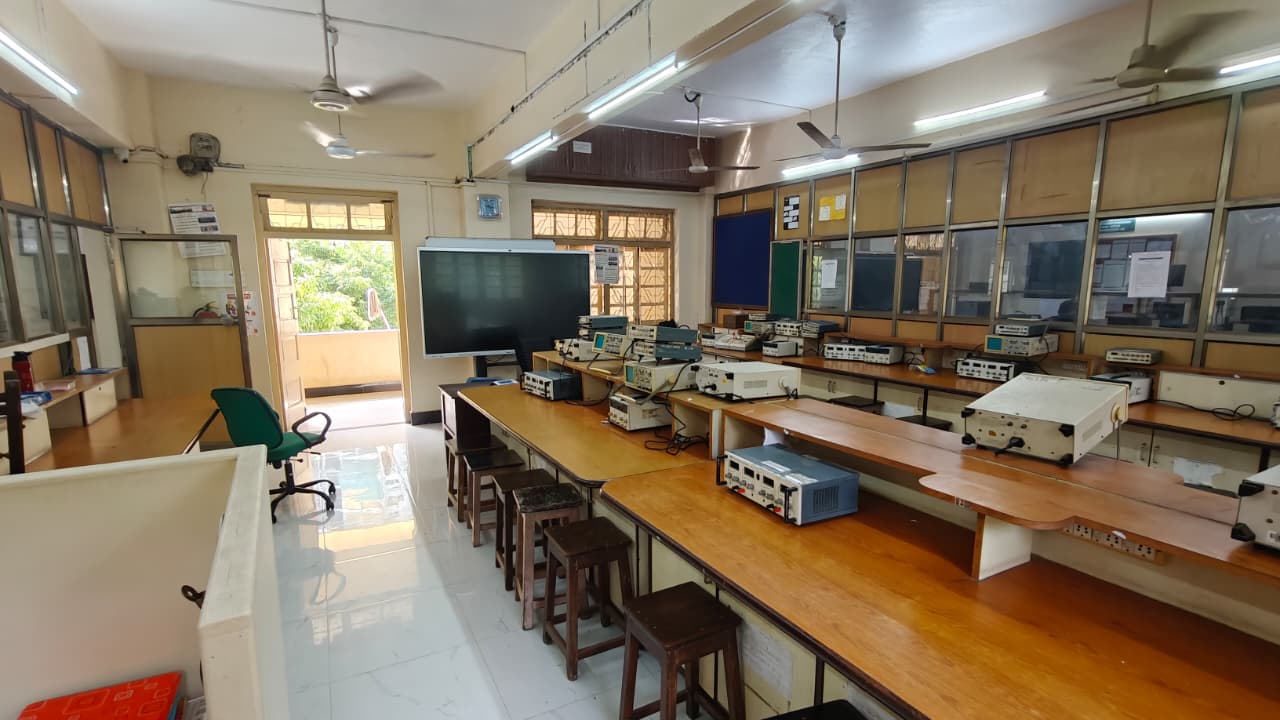
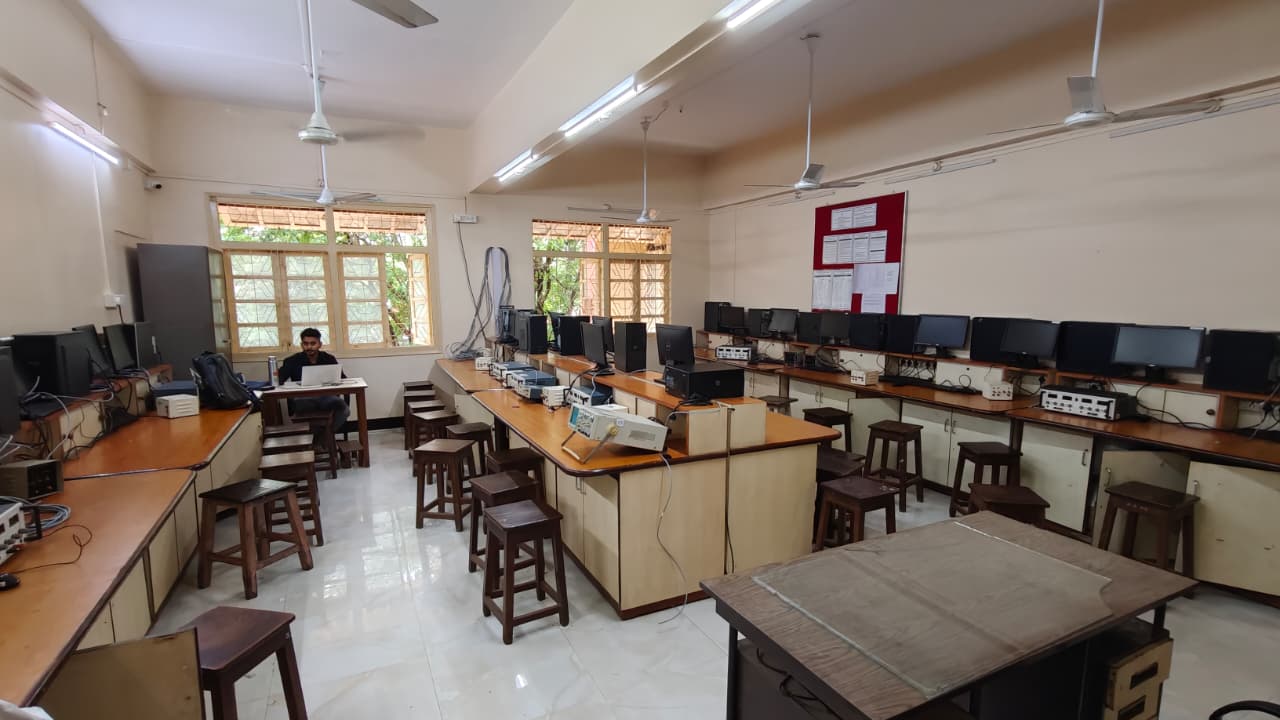
Welcome to the Department of Electronics and Telecommunication Engineering at St. Xavier's Technical Institute, Mumbai. Our department is committed to providing quality technical education through a blend of academic excellence, practical learning, and industry-oriented training. Equipped with state-of-the-art laboratories and supported by a team of highly qualified, experienced, and dedicated faculty members, we strive to create an enriching learning environment that nurtures innovation, technical competence, and professional ethics.
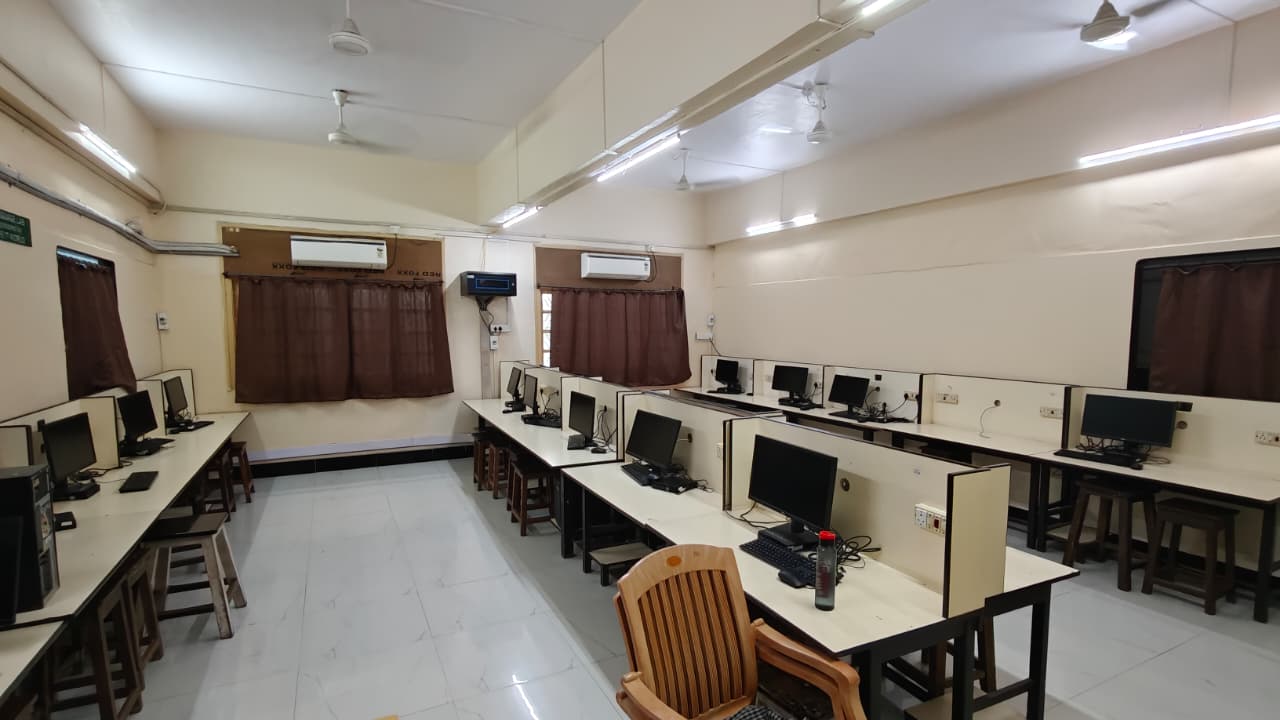
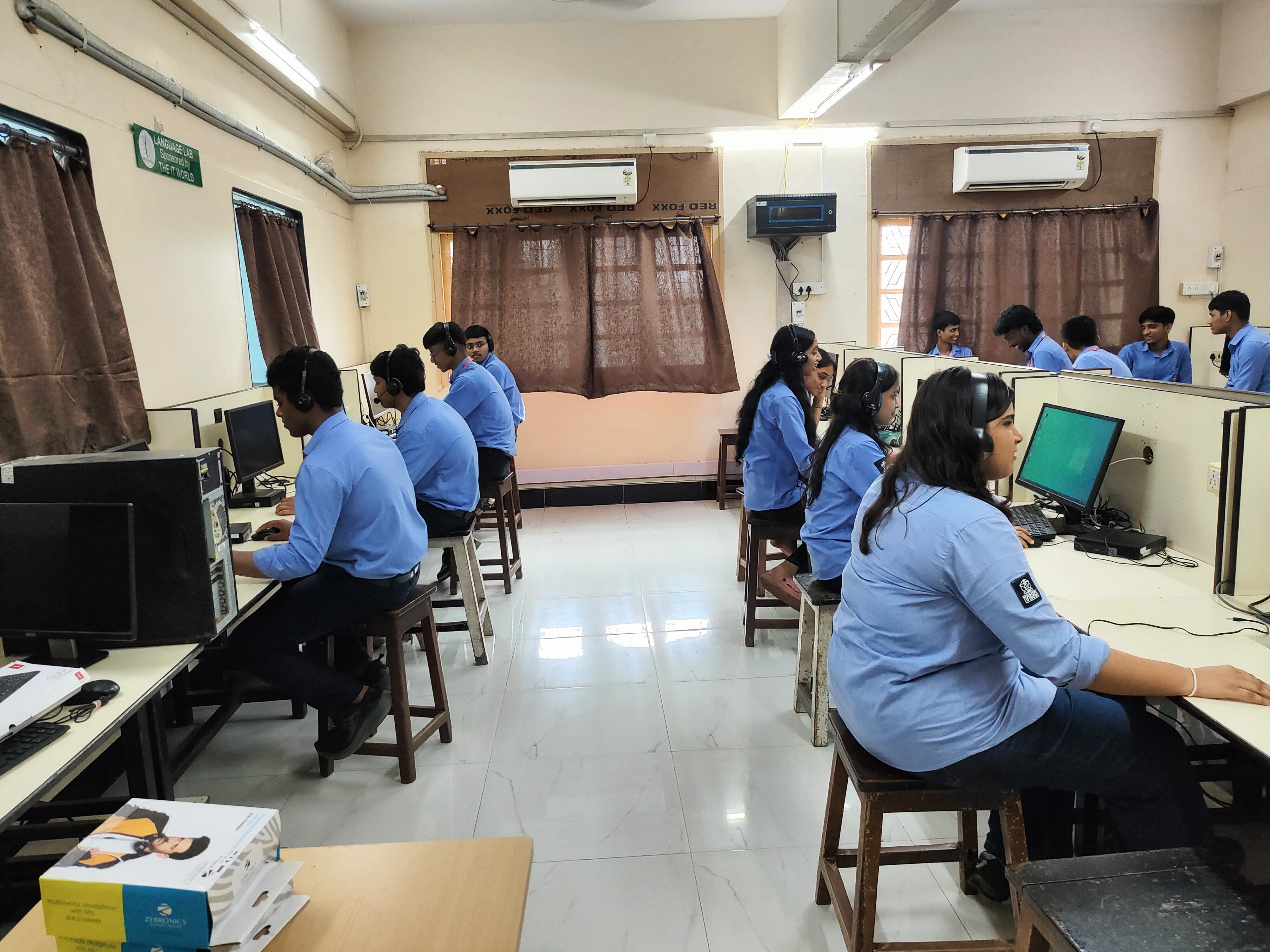
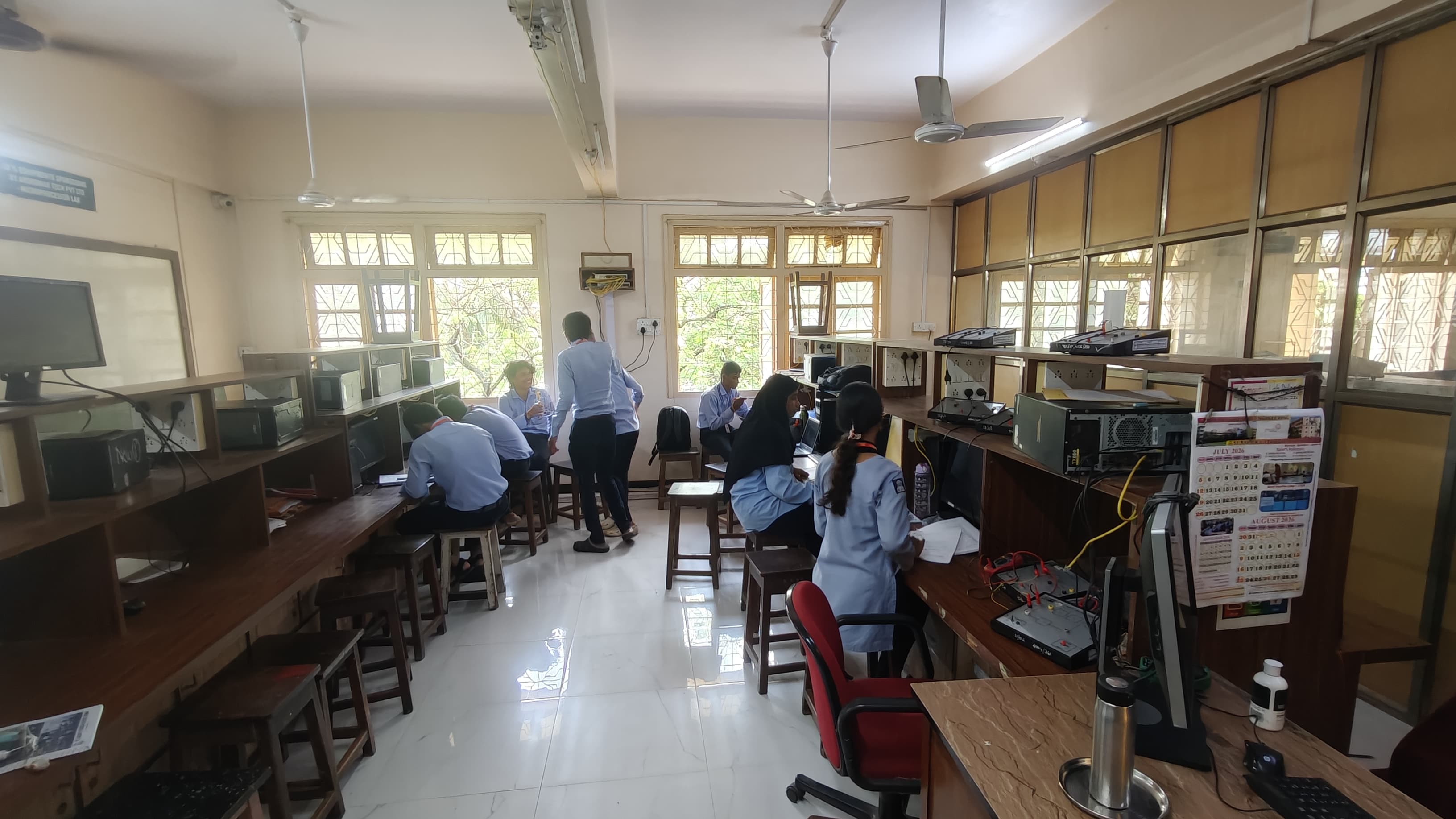
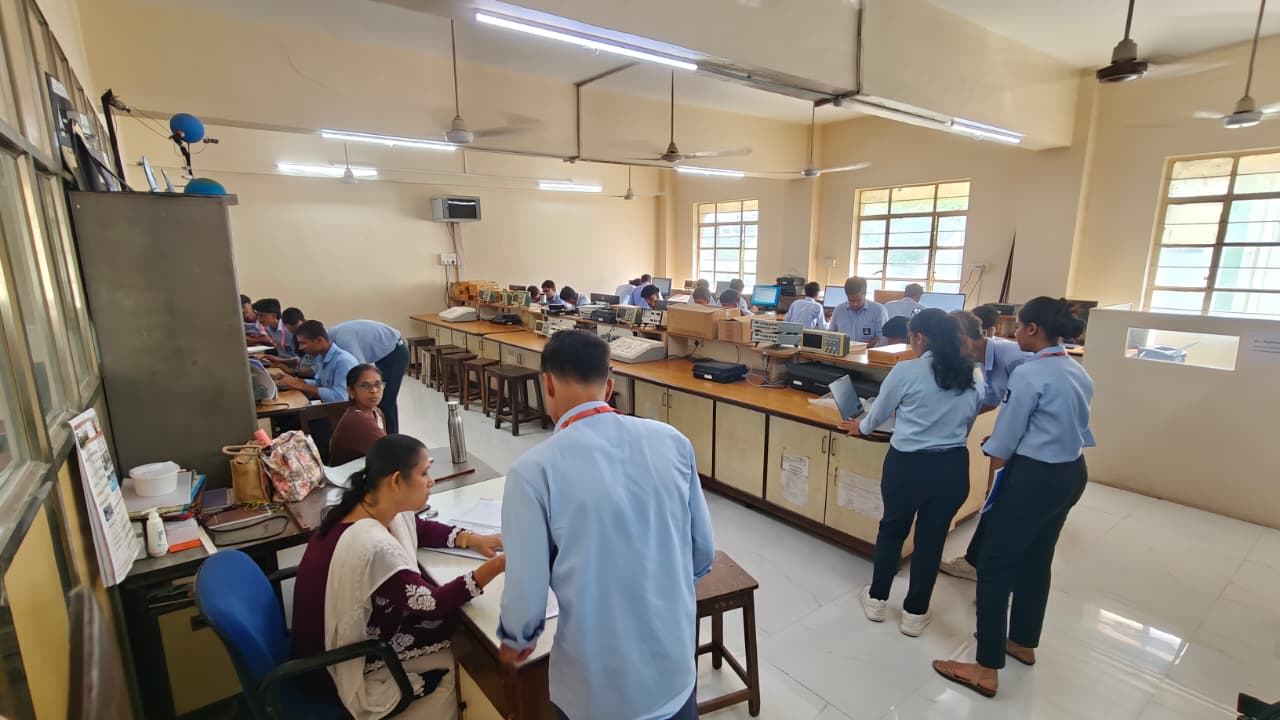
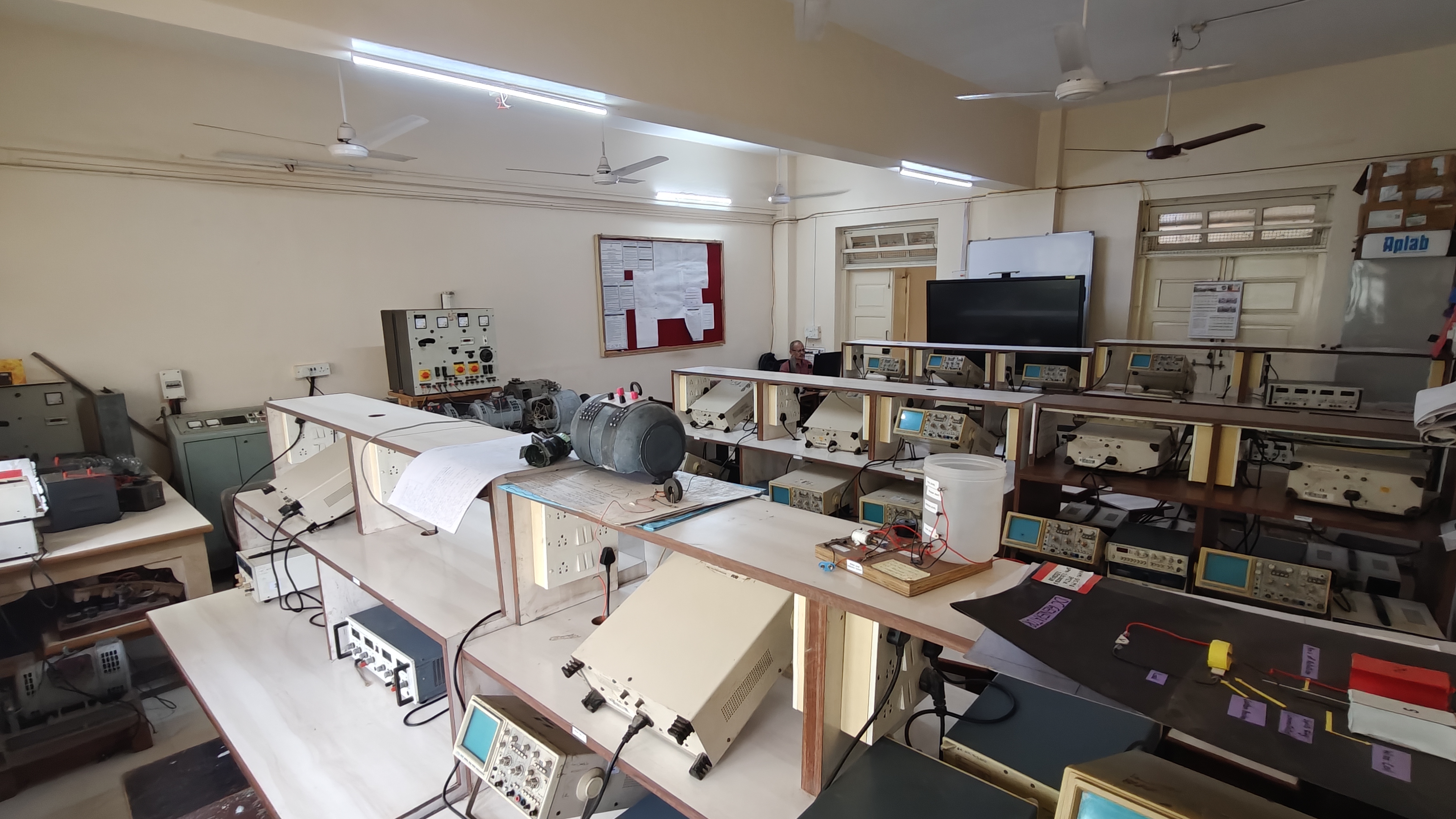
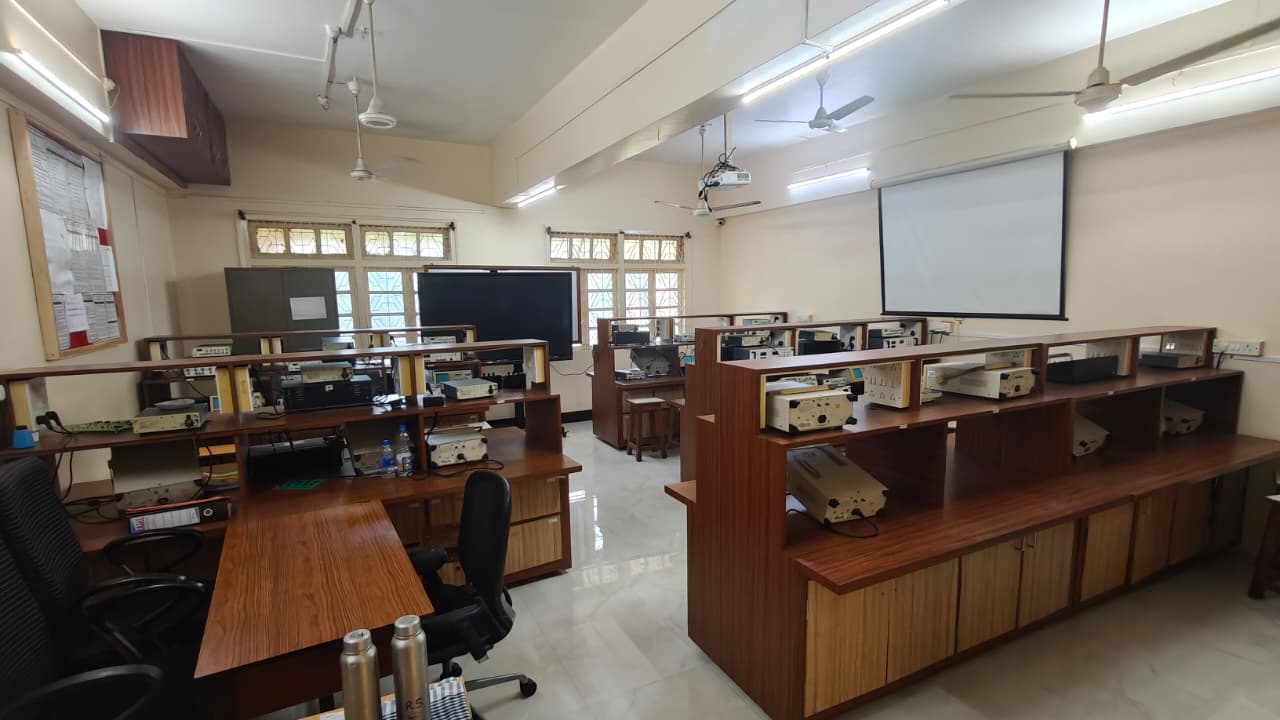
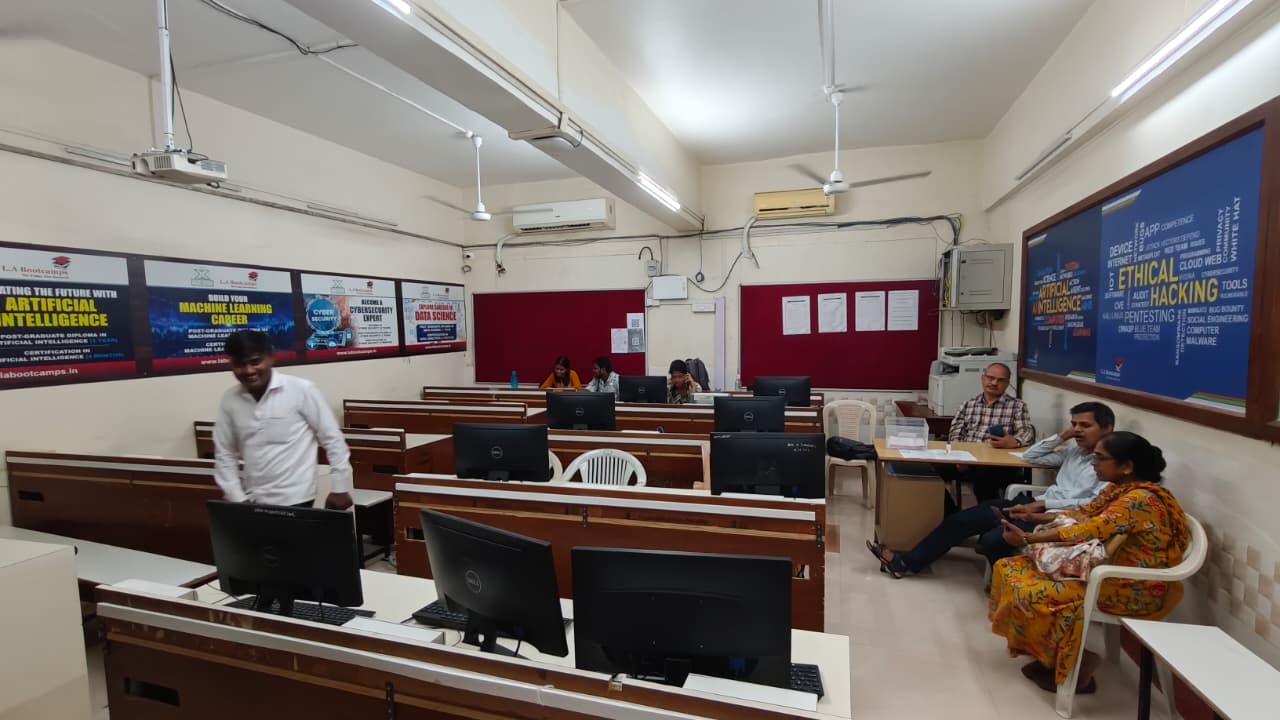
The department offers well-equipped laboratories that effectively support the curriculum and provide students with extensive hands-on experience. Through outcome-based teaching, industrial visits, expert lectures, skill development programs, workshops, and various technical and co-curricular activities, we encourage students to strengthen their analytical, problem-solving, and practical skills while preparing them to address real-world engineering challenges.
At the Department of Electronics and Telecommunication Engineering, we are dedicated to the holistic development of our students — continuously mentoring and supporting them in achieving academic excellence, enhancing employability, and building successful professional careers.
| Sr | Photo | Name | Designation | Qualification |
|---|---|---|---|---|
| 1 |
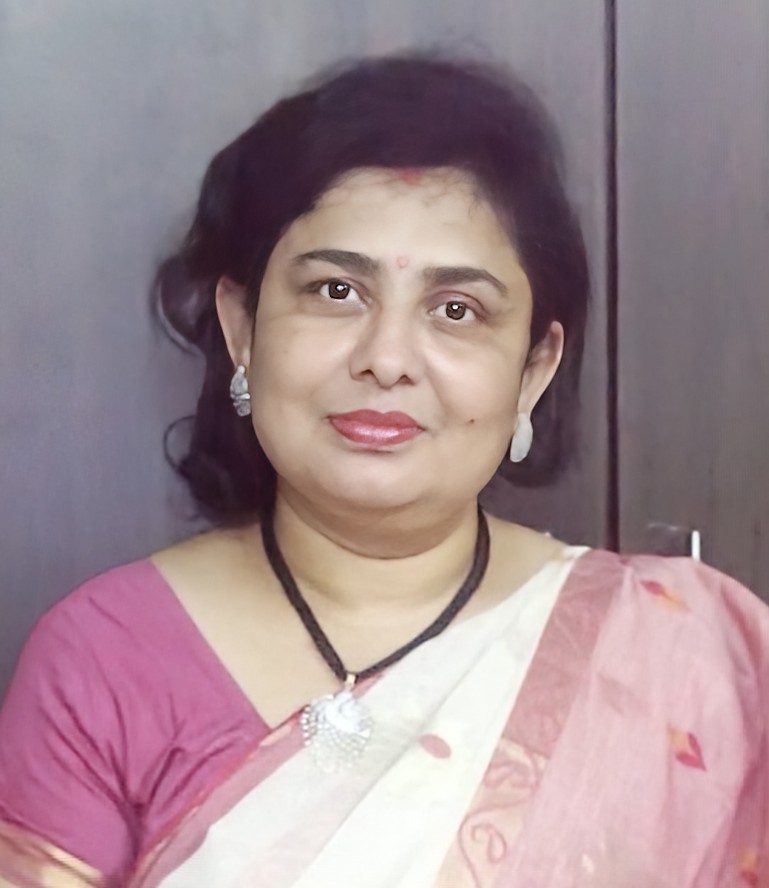 |
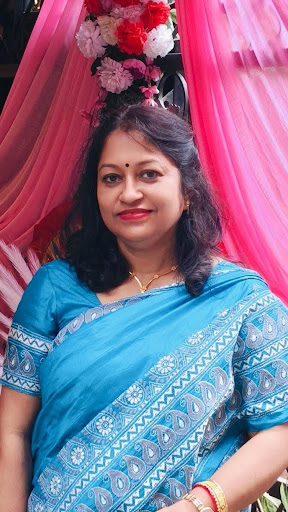
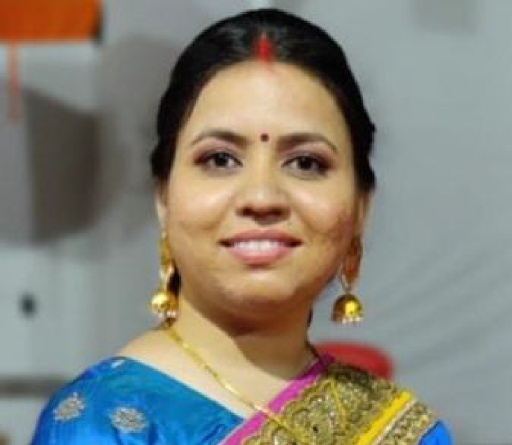
Mrs. Anushree K. Samant | Lab Assistant (Non Technical) | DEVE, ADCSSAA |
| 2 |
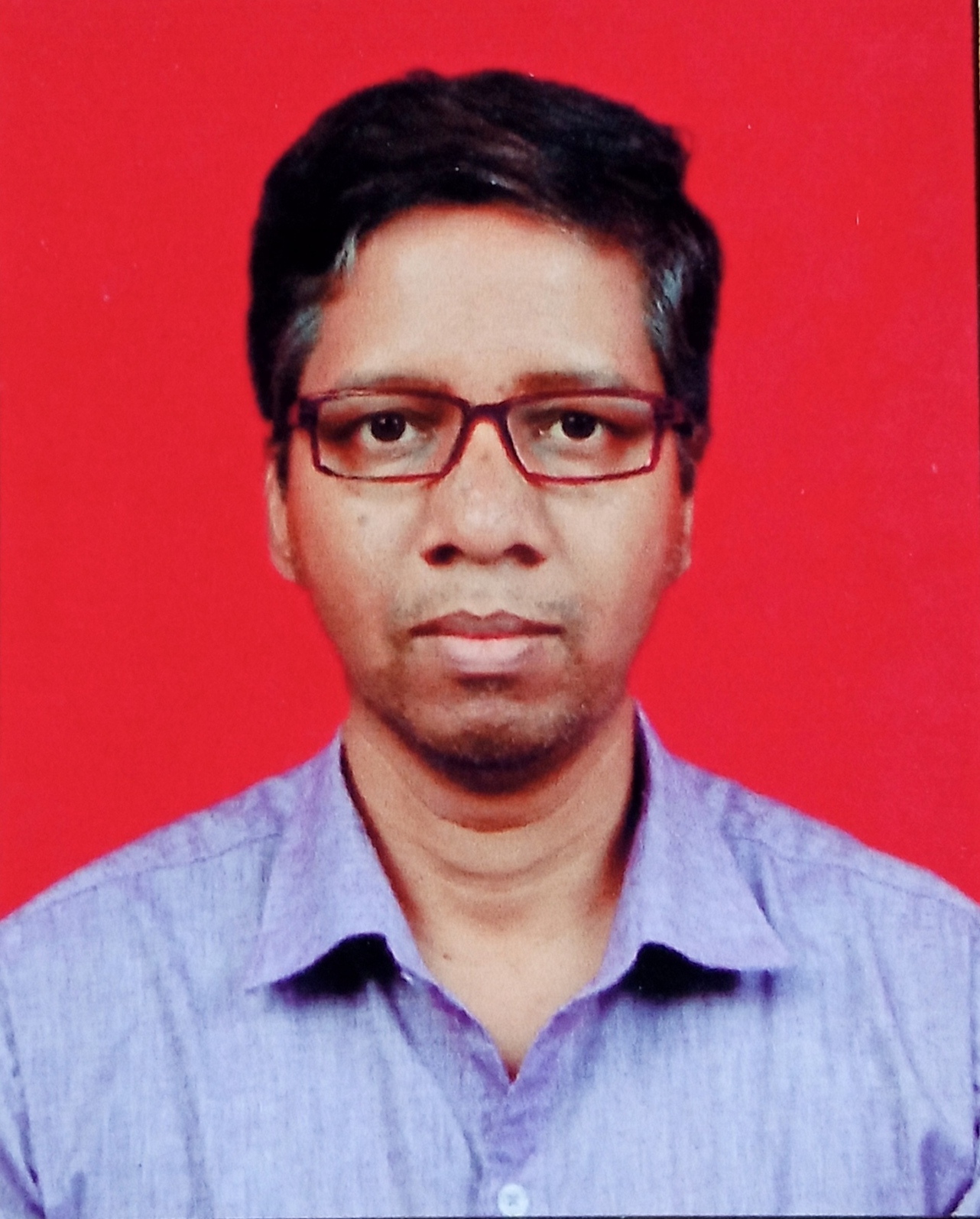 |
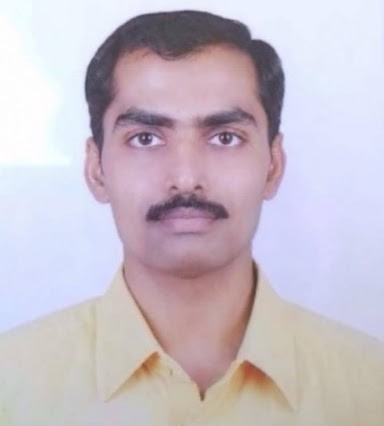
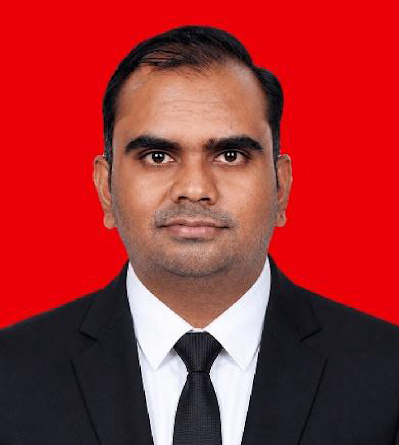
Mr. Darshan D. Chavan | Lab Assistant (Non Technical) | BCA, DERE, ADCSSAA |
| 3 |
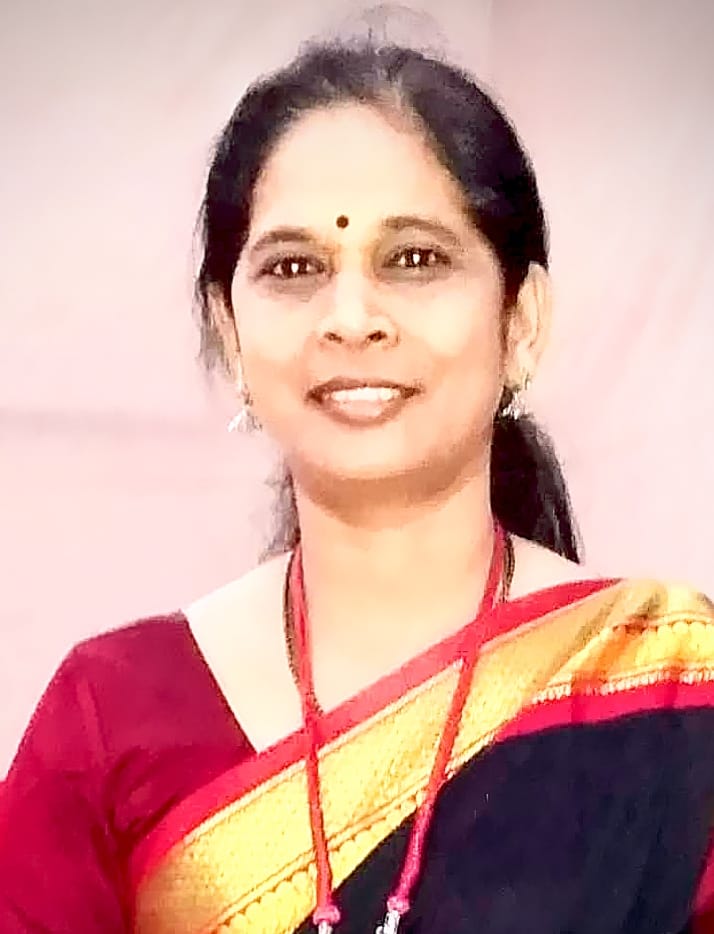 |
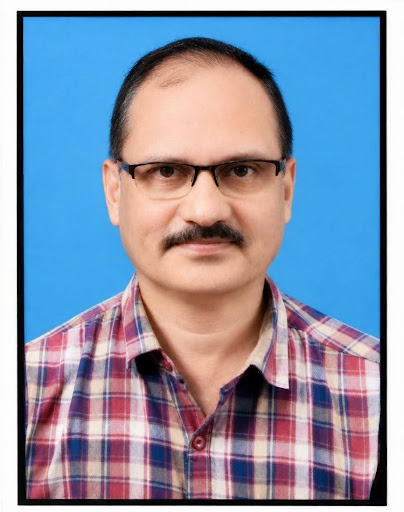
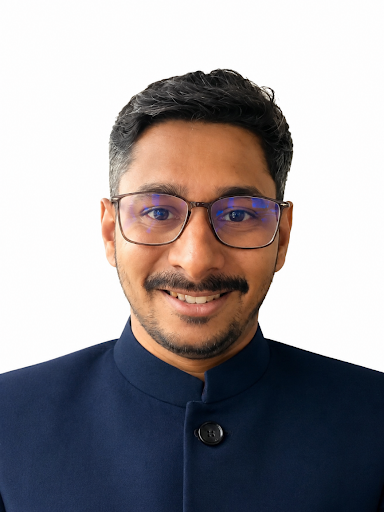
Mrs. Darshana C. Jadhav | Lab Assistant (Non Technical) | B.E. Electrical, DEVE |
| 4 |
 |
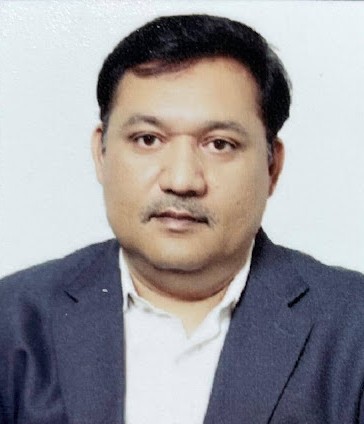
Mr. Shankar D. Pansare | Lab Assistant (Non Technical) | Diploma in Industrial Electronics |
| 5 |
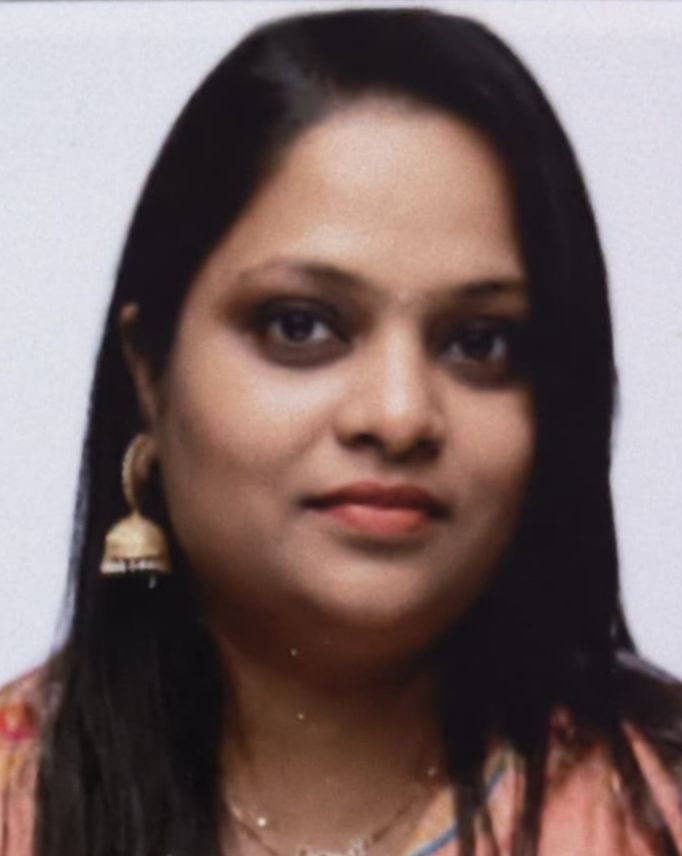 |
Ms. Snehal R. Mane | Lab Assistant (Non Technical) | Diploma in Electronics |
1.jpg)